
Why "Successful" Enablement Programs Fail in the Long Run
By Olga Hoyos
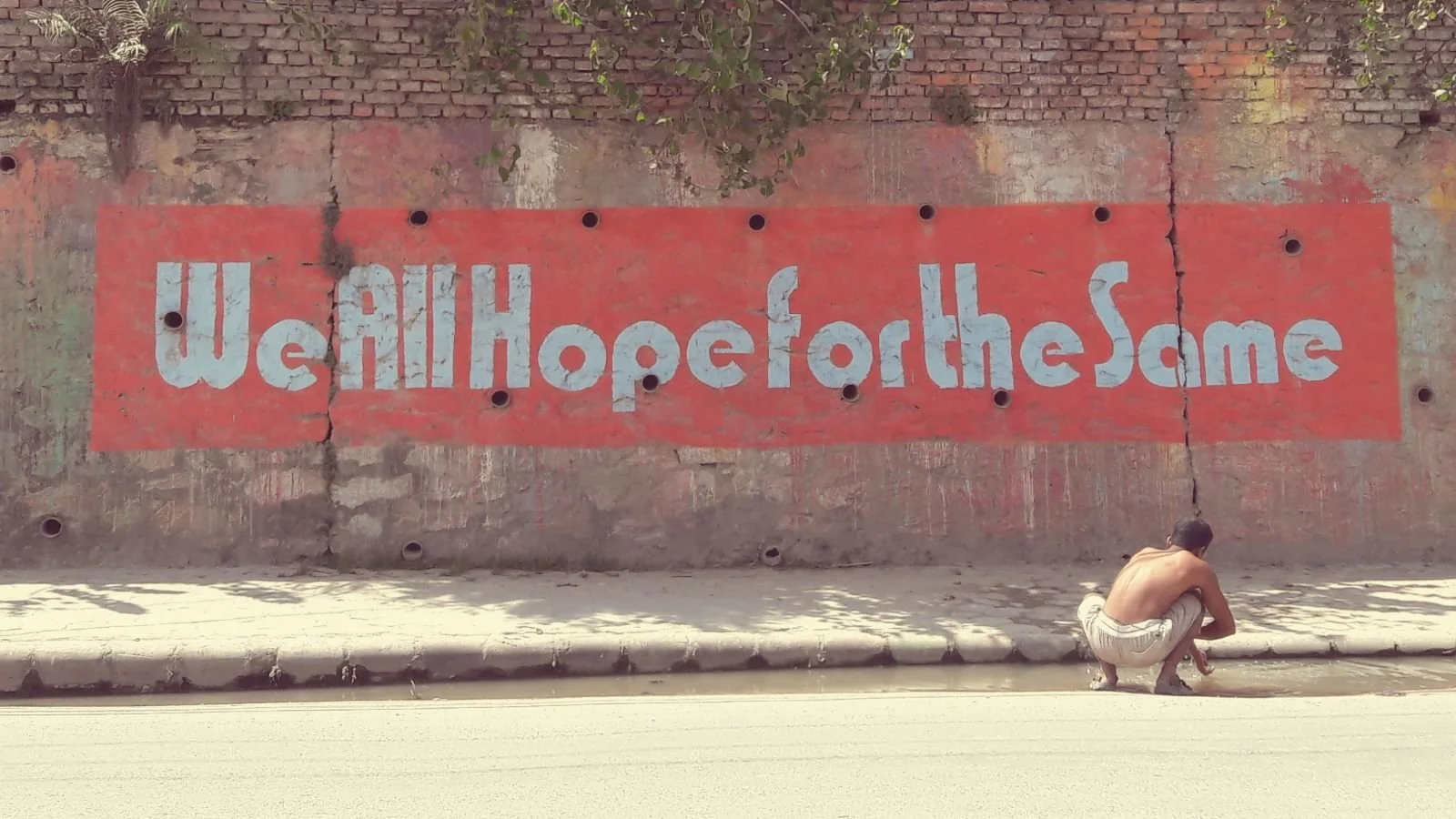
Man refreshing in the streets of Kathmandu - © Eric Christensen
We often assume that if a program meets its deadline and budget, it’s a success. Yet, many initiatives fail to deliver lasting value not because of poor execution or strategic misalignment, but because they prioritize immediate project metrics over the long-term “public interest”.
We see this paradox when:
Industrial automation and robotics operate 24/7 without biological limitations (fatigue, illness, family obligations). Manufacturing achieves 24/7 output through automation but alienates its workforce by considering human biological needs as "inefficiencies" to be removed.
Algorithmic assessment tools (for loans, hiring, or benefits) process 50+ variables instantly to remove "human bias". This reduces individuals to data points, often penalizing those with non-standard backgrounds and failing to acknowledge the value of human judgment in complex life situations.
Patients’ outcomes are predicted usingAI diagnostic tools trained on vast datasets of medical history that often under-represents minorities or low-income demographics. As a result, the "objective" algorithm works exceptionally well for the dominant group but yields less accurate, riskier recommendations for vulnerable minorities, widening the health equity gap.
At these cases, we aren't building organizational muscle; we are building structural fragility!
True enablement recognizes that "the public" isn't just an external stakeholder; it is the workforce, and they are the primary conditioners of your Return on Investment. When an initiative solves a business problem by creating a social one, such as reducing human contribution to a mere data point, it dissolves the trust required for adoption.
Employees who feel valued rather than optimized become force multipliers for change; those who feel commoditized become obstacles. The market is watching, too: society increasingly views corporate initiatives through the lens of their impact on human dignity, and that perception directly influences brand value and sustainability.
The pivot we need is to view the public interest not as a compliance check, but as a strategic safeguard. The most resilient organizations align their immediate goals with broader societal health, ensuring that efficiency does not come at the cost of equity.
By proving that your innovation protects rather than exploits, you secure something far more valuable than short-term productivity. You secure the loyalty and license to operate from the very people who power your business.
To secure the future we must stop asking "Does this work efficiently?" and start asking "Does this work for everyone?"
#HumanCentricChange #SocialImpact #FutureOfWork #CorporateResponsibility #Sustainability